The UAE remains one of the easiest places in the world to start a company, and for investors comparing free zones, RAKEZ (Ras Al Khaimah Economic Zone) consistently stands out for its low cost and flexibility. Here’s what you need to know before you set up.
Overview of the UAE as a Global Business Hub
The UAE attracts investors with no personal income tax, 100% foreign ownership in free zones, fast registration, and a location that connects Europe, Africa, and Asia. With more than 40 free zones across its seven emirates, the right choice depends on your business model — which is why understanding individual zones like RAKEZ matters before you commit.
What Is RAKEZ Free Zone?
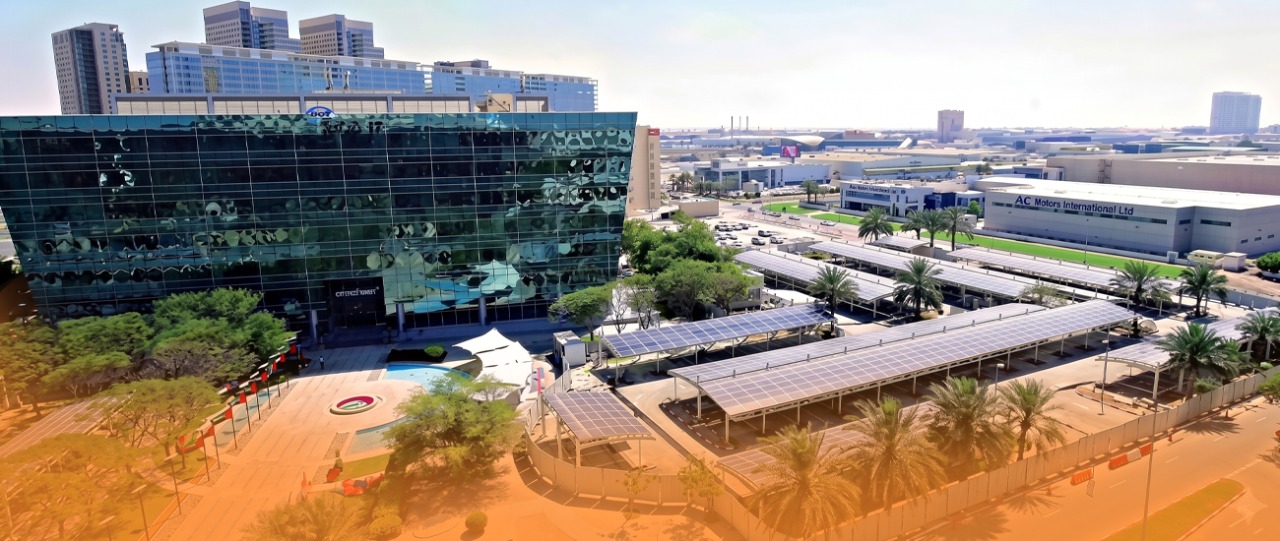
RAKEZ is the government-backed free zone authority of Ras Al Khaimah, supporting businesses across more than 50 sectors — trading, services, manufacturing, education, and media. It’s one of the largest free zones in the UAE by company count and includes specialised areas: Al Hamra Zone (commercial/SMEs), Al Ghail and Al Hulaila (industrial), and an Academic Zone for education providers. RAK sits about 45 minutes from Dubai, with its own seaport (Saqr Port) for businesses moving physical goods.
Key Benefits of Setting Up in RAKEZ
- Low entry cost — packages typically start around AED 6,000–8,500, among the cheapest in the UAE
- 100% foreign ownership, no local sponsor required
- Wide range of approved activities, including options to combine several under one licence
- Industrial and warehousing infrastructure — a real differentiator from office-only free zones
- Fast, mostly digital setup, often within days for basic licences
- Free repatriation of profits and capital
A note on tax: RAKEZ companies aren’t automatically tax-exempt. A 0% corporate tax rate applies only to “qualifying income” for businesses that meet Qualifying Free Zone Person (QFZP) conditions. Income that doesn’t qualify is taxed at 9% above AED 375,000 — worth confirming with an advisor rather than assuming a blanket exemption.
Types of Business Licences Available in RAKEZ
- Commercial/Trading Licence — import, export, distribution, general trading
- Service Licence — consultancy, IT, marketing, professional services
- Industrial Licence — manufacturing, processing, assembly
- E-commerce Licence — online stores and marketplace selling
- Media Licence — production, advertising, publishing
- Educational Licence — training and education providers
- Freelance Permit — individual professionals trading under their own name
Step-by-Step Guide to Starting a Business in RAKEZ
- Define your business activity — this determines your licence type
- Choose your legal structure (FZE, FZC, or branch)
- Reserve your trade name
- Select your licence package and facility (flexi-desk, office, or warehouse)
- Prepare and submit documents (passport copies, UBO declaration, business plan if required)
- Pay the licence fee and receive approval
- Receive your trade licence and bank introduction letter
- Apply for visas for yourself and any employees
- Open a corporate bank account
A straightforward setup can take one to two weeks, though banking and certain regulated activities can extend the timeline.
Factors Affecting Business Setup Costs in RAKEZ
Total first-year cost for a basic, zero-visa setup typically ranges from AED 6,000 to AED 20,000; larger setups with visas, office space, or industrial facilities can exceed AED 50,000. The main cost drivers:
- Licence type — service/freelance licences are cheapest; trading and industrial cost more
- Number of visas — each one adds direct cost plus often a larger office requirement
- Office or facility choice — flexi-desk is the cheapest compliant option
- Additional approvals — regulated activities (healthcare, education) add time and cost
- Ongoing compliance — renewal, bookkeeping, and potential audit/tax filing
RAKEZ Free Zone vs Other UAE Free Zones
RAKEZ’s edge is the combination of low cost and industrial capability. Dubai free zones like IFZA (from ~AED 12,900) or DMCC (from ~AED 18,000) offer a Dubai address and stronger reputation in certain sectors, but at a higher price. Ajman is similarly cost-focused but with a smaller activity list. Manufacturers and traders needing port access and warehousing will generally find RAKEZ hard to beat regardless of price; businesses relying heavily on a Dubai-specific address or client base may still prefer a Dubai free zone.
Common Challenges Investors Face and How to Avoid Them
- Wrong licence or activity — match it to your real business model from the start
- Underestimating total cost — budget for visas, office space, and renewal, not just the headline licence fee
- Bank account delays — start the banking process as soon as your licence is issued
- Misunderstanding tax obligations — confirm your QFZP status rather than assuming automatic 0% tax
- Document/attestation delays for branches — sort out notarisation and translation early
- Missing external approvals for regulated activities — check before you apply
How BEX UAE Can Help You Set Up a Business in RAKEZ
Setting up in RAKEZ is genuinely investor-friendly, but the details — the right licence, the real all-in cost, fast bank account approval — are where most first-time investors lose time. BEX UAE helps by identifying the right licence and structure for your business, handling documentation and government liaison end-to-end, managing visa applications, supporting bank account introductions, and providing ongoing business support after incorporation.
Ready to start your RAKEZ company setup? Get in touch with BEX UAE today for a free consultation.